Skip to content

"Medieval Jewish quarter of Castelo Rodrigo, linked to Rua da Sinagoga, Rua da Cadeia and limited fifteenth-century documentation."

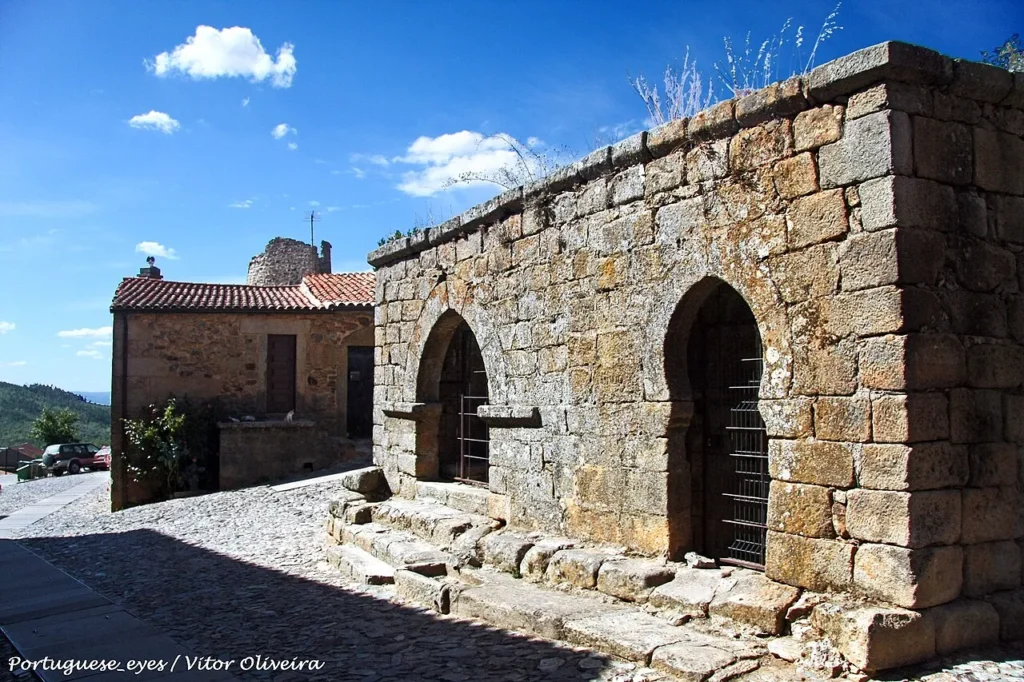
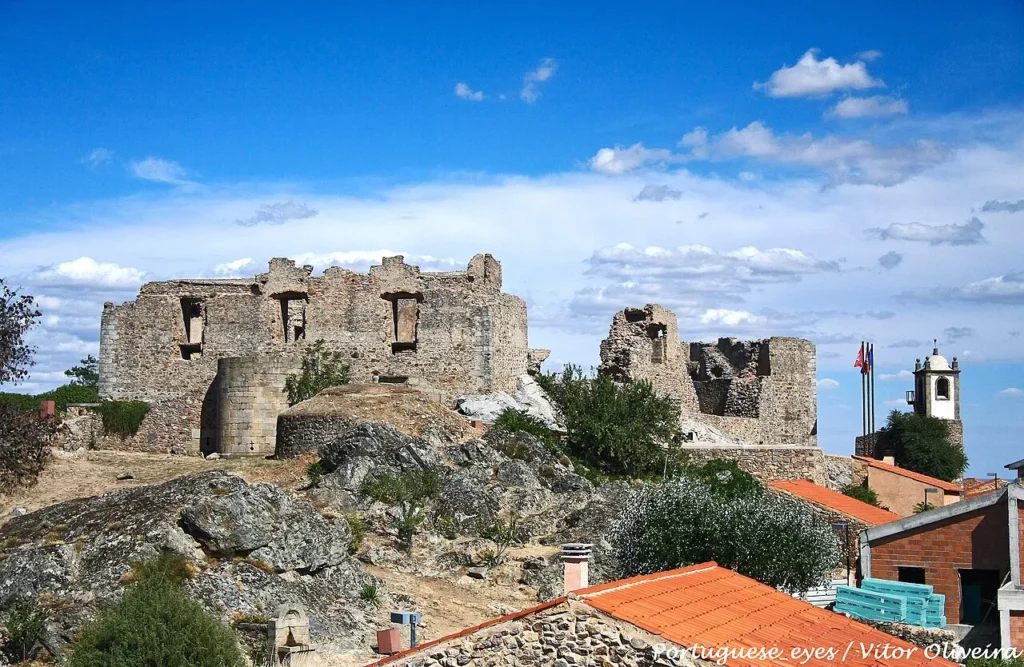
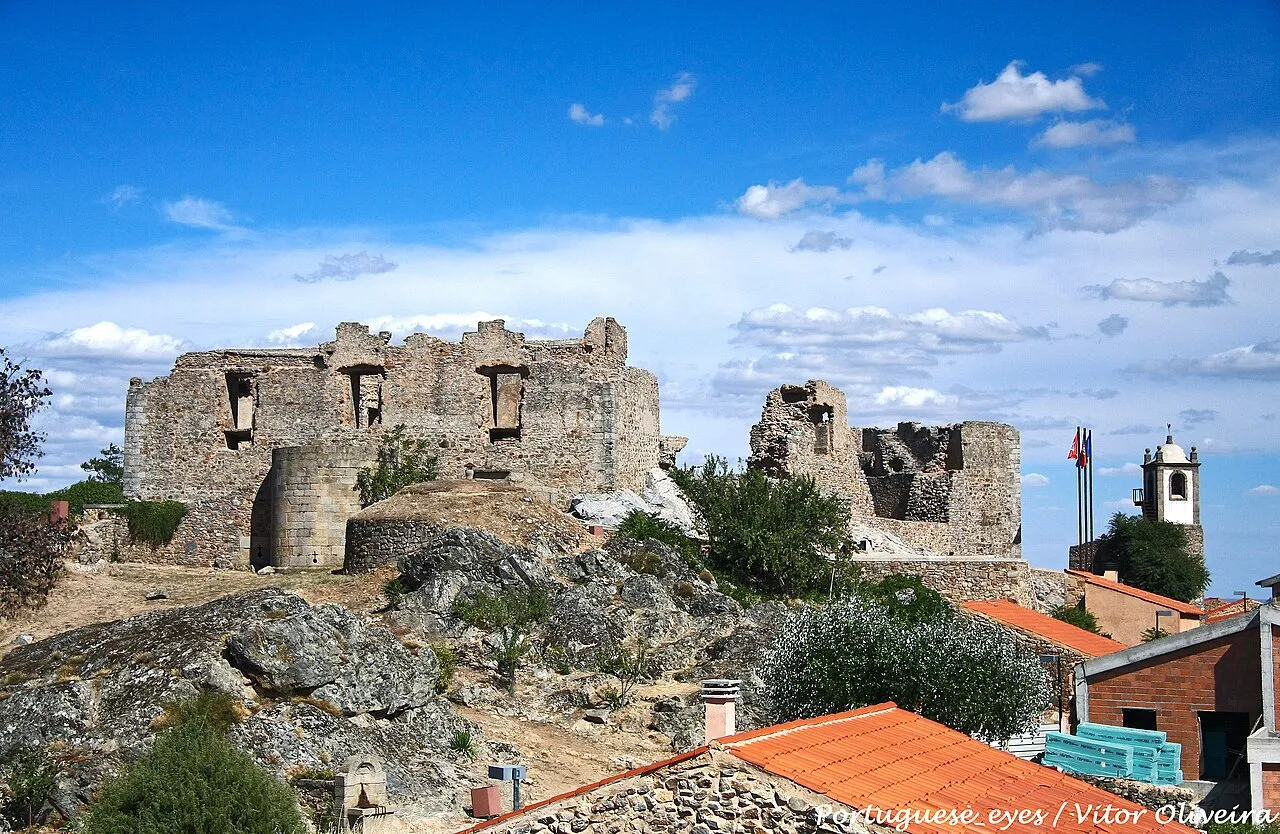
The Medieval Judiaria of Castelo Rodrigo was located inside the walls of the historic village. Local heritage sources place the former Jewish quarter west of the present Rua da Sinagoga, while academic research also associates the judiaria with the area near Rua da Cadeia.

Jewish Quarter and Documentary Evidence

The Jewish community of Castelo Rodrigo belonged to the network of medieval Jewish settlements in the Beira Interior, close to the Castilian border. Its position inside the fortified village connected the community to a strategic frontier zone, marked by movement, trade and contact between Portugal and Castile.

The surviving documentation for individual Jews in Castelo Rodrigo is limited. One of the clearest names preserved is Abraão Rua, documented in 1491 as a resident of Escarigo, within the term of Castelo Rodrigo. Isabel Miguel’s study notes that, for this commune, this is the only individual Jewish inhabitant clearly identified in the available records.

Rua da Sinagoga and Local Memory

Local heritage interpretation connects the area around Rua da Sinagoga with the former judiaria and states that the Jewish quarter expanded after the arrival of Jews expelled from Castile in 1492. This tradition is significant for the memory of the site, although the exact limits of the medieval quarter remain difficult to define from the surviving documentation.

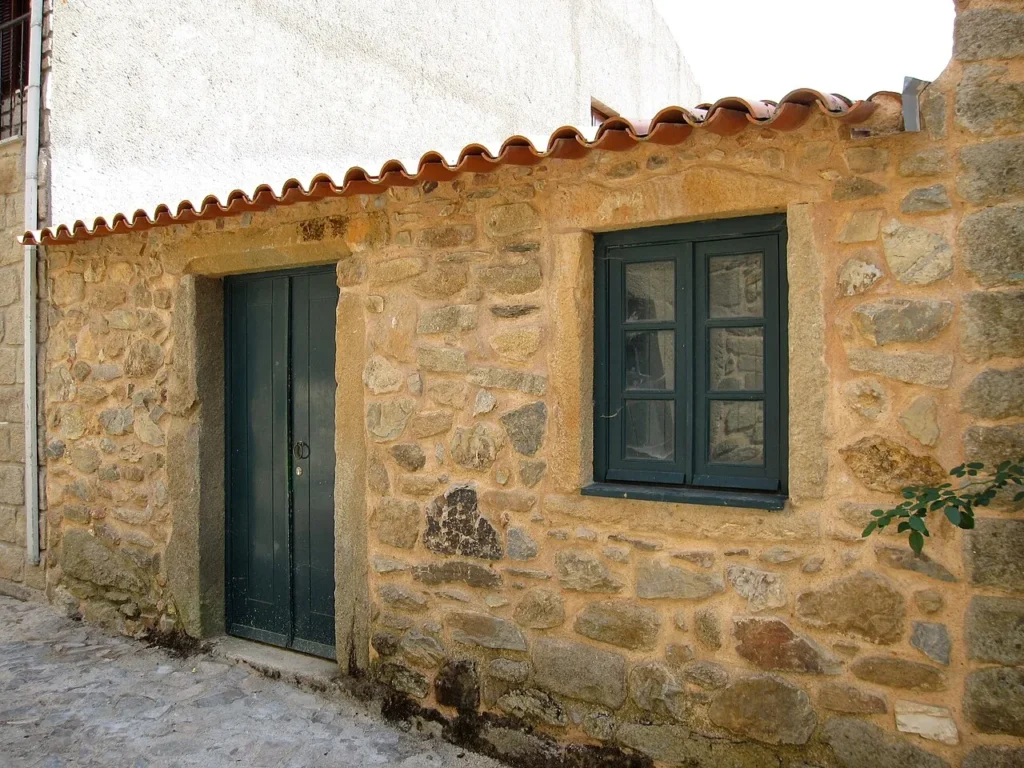
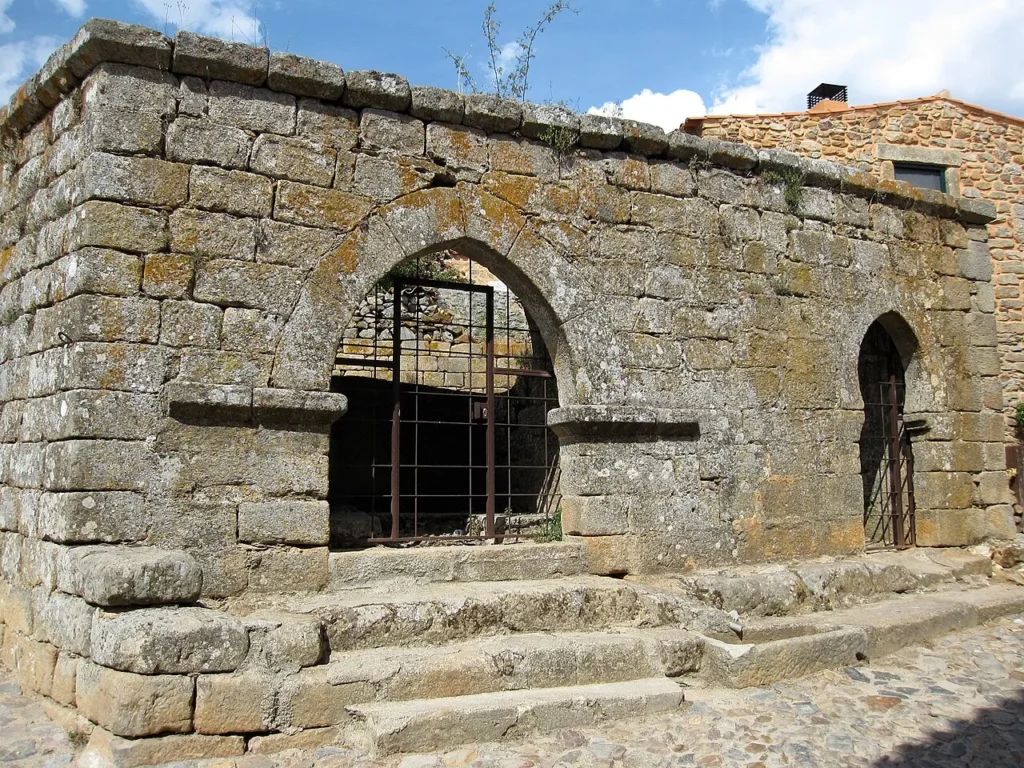
Other nearby elements, including the Cisterna Medieval and the so-called Casa do Rabino, belong to the wider local tradition associated with Jewish and crypto-Jewish memory in Castelo Rodrigo. These identifications should be read with caution. The Casa do Rabino is linked by local tradition to a former “Esnoga” and to a representative of the crypto-Jewish community, while the Cisterna Medieval is presented as a building that may have been connected to synagogue and mikveh traditions.

Gallery
Community notes

Comments

Logged-in visitors can submit comments for moderation before they appear publicly.

No comments yet.

Article researched and curated by Jew Where.

The Jew Where project is collaborative. Do you have additional information, found an inaccuracy, or have historical photos of this location? Contact our team.
Medieval Judiaria of Castelo Rodrigo
Portugal / Guarda / Neighborhoods & Settlements

Medieval Judiaria of Castelo Rodrigo

"Medieval Jewish quarter of Castelo Rodrigo, linked to Rua da Sinagoga, Rua da Cadeia and limited fifteenth-century documentation."

Location
Area west of Rua da Sinagoga, near Rua da Cadeia, 6440-031 Castelo Rodrigo, Figueira de Castelo Rodrigo, Portugal

The Medieval Judiaria of Castelo Rodrigo was located inside the walls of the historic village. Local heritage sources place the former Jewish quarter west of the present Rua da Sinagoga, while academic research also associates the judiaria with the area near Rua da Cadeia.

Jewish Quarter and Documentary Evidence

The Jewish community of Castelo Rodrigo belonged to the network of medieval Jewish settlements in the Beira Interior, close to the Castilian border. Its position inside the fortified village connected the community to a strategic frontier zone, marked by movement, trade and contact between Portugal and Castile.

The surviving documentation for individual Jews in Castelo Rodrigo is limited. One of the clearest names preserved is Abraão Rua, documented in 1491 as a resident of Escarigo, within the term of Castelo Rodrigo. Isabel Miguel’s study notes that, for this commune, this is the only individual Jewish inhabitant clearly identified in the available records.

Rua da Sinagoga and Local Memory

Local heritage interpretation connects the area around Rua da Sinagoga with the former judiaria and states that the Jewish quarter expanded after the arrival of Jews expelled from Castile in 1492. This tradition is significant for the memory of the site, although the exact limits of the medieval quarter remain difficult to define from the surviving documentation.

Other nearby elements, including the Cisterna Medieval and the so-called Casa do Rabino, belong to the wider local tradition associated with Jewish and crypto-Jewish memory in Castelo Rodrigo. These identifications should be read with caution. The Casa do Rabino is linked by local tradition to a former “Esnoga” and to a representative of the crypto-Jewish community, while the Cisterna Medieval is presented as a building that may have been connected to synagogue and mikveh traditions.

Timeline

  • 1491 Abraão Rua is recorded as a resident of Escarigo, within the term of Castelo Rodrigo.
  • 1492 Local heritage interpretation connects the growth of the Jewish quarter with the arrival of Jews expelled from Castile.

Sources & Bibliography

  1. ALDEIAS HISTÓRICAS DE PORTUGAL. Judiaria medieval. Local: Castelo Rodrigo. Editora: Aldeias Históricas de Portugal. Ano: n.d. https://aldeiashistoricasdeportugal.com/local/judiaria-medieval/
  2. ALDEIAS HISTÓRICAS DE PORTUGAL. Cisterna Medieval. Local: Castelo Rodrigo. Editora: Aldeias Históricas de Portugal. Ano: n.d. https://aldeiashistoricasdeportugal.com/local/cisterna-medieval/
  3. ALDEIAS HISTÓRICAS DE PORTUGAL. Casa do Rabino. Local: Castelo Rodrigo. Editora: Aldeias Históricas de Portugal. Ano: n.d. https://aldeiashistoricasdeportugal.com/local/casa-do-rabino/
  4. ALDEIAS HISTÓRICAS DE PORTUGAL. Efraim Bueno – nascido em Castelo Rodrigo. Local: Castelo Rodrigo. Editora: Aldeias Históricas de Portugal. Ano: n.d. https://aldeiashistoricasdeportugal.com/local/efraim-bueno-nascido-em-castelo-rodrigo/
  5. MUNICÍPIO DE FIGUEIRA DE CASTELO RODRIGO. Centro Interpretativo Ephraim Bueno. Local: Figueira de Castelo Rodrigo. Editora: Município de Figueira de Castelo Rodrigo. Ano: n.d. https://www.cm-fcr.pt/visitar/museus/centro-interpretativo-ephraim-bueno/

Additional Information

Official website: https://aldeiashistoricasdeportugal.com/local/judiaria-medieval/

Article researched and curated by Jew Where.

The Jew Where project is collaborative. Do you have additional information, found an inaccuracy, or have historical photos of this location? Contact our team.